1. Safety check and containment
The crew checks for electrical and slip hazards, puts on protective equipment and seals off the affected area so sewage does not spread.
Spring Grove Village, Cincinnati, OH · Hamilton County
Standing sewage in a Spring Grove Village rental or shop cannot wait for the next business day. Call (877) 812-4220 to get containment, sewage removal, disinfection and a final check of the affected area.
If anyone is in danger, call 911 first. For a suicide crisis, call or text 988.
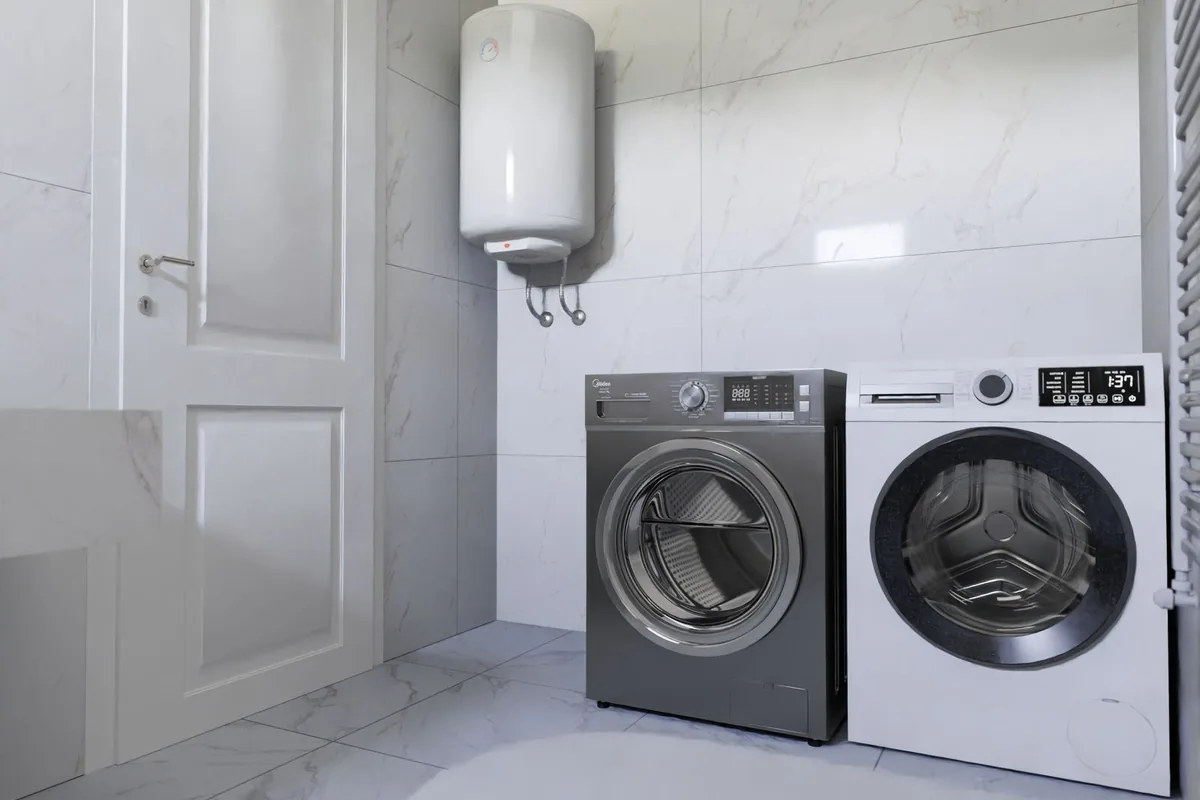
Commercial sewage cleanup is the same biohazard work done in shops, restaurants, offices and apartment buildings, where many people share the space and the area must be cleared and sanitized before use resumes.
Did a drain, toilet or septic system overflow indoors in Spring Grove Village? Call Spring Grove Village Biohazard Cleanup Help. The cleanup team works discreetly, explains each step to you and keeps family members, tenants and staff out of the contaminated zone in Hamilton County.
With a Relatively High river flood risk rating from FEMA for Hamilton County, flood events here can mix floodwater with sewage, which is treated as Category 3 contamination. With roughly 43 inches of annual rainfall in Spring Grove Village, saturated ground and storm runoff add pressure to sewer pipes, a common cause of basement and crawl space backups.
Sewage & Biohazard Cleanup in Spring Grove Village usually includes:
The crew checks for electrical and slip hazards, puts on protective equipment and seals off the affected area so sewage does not spread.
Crews wear respirators, gloves and suits, then place barriers and signs so people and pets stay out of the contaminated zone.
Carpet, padding, drywall and insulation that soaked up sewage are cut out, bagged and hauled away as contaminated waste.
The crew treats lingering smells, checks air paths and walks the owner through what was done.
Most sewage & biohazard cleanup jobs in Spring Grove Village, Cincinnati, OH cost between $1,500 and $10,000, based on published cost guides.
The amount of sewage and how far it spread is the biggest factor. A single bathroom overflow takes less work than a flooded basement.
| Type of job | Typical range |
|---|---|
| Typical project | $2,000 - $10,000 |
| Category 3 sewage | $7.50 - $7.50 per square foot |
| Published span | $1,500 - $8,000 |
| Most homeowners | $2,000 - $10,000 |
Published ranges only (Bob Vila, Fixr, BioCleaners Directory, Biohazard cleanup company pricing guide); every sewage & biohazard cleanup job in Spring Grove Village is priced after an on-site look. Price drivers include square footage affected, category of water, porous materials that must be removed, drying time. Questions? Call (877) 812-4220.
Try the Spring Grove Village Biohazard Cleanup Cost Calculator →
The price depends on how much sewage there is, how far it spread and which materials must be removed. A bathroom overflow costs less than a flooded basement. The team sets the price after seeing the space, and nothing is decided on a call alone.
No. Water from a clean source can often be dried in place, but sewage is a biohazard that requires removal of contaminated materials and disinfection. Drying alone does not make a sewage-affected space safe.
Keep people and pets out, turn off power if water is near outlets, and avoid touching the sewage. Safe cleanup needs protective gear, extraction, removal of soaked materials and disinfection. For anything more than a small spill, a cleanup company is the safer choice.
A septic overflow is cleaned as raw sewage, both inside any affected building and on nearby ground. Contaminated soil, materials and surfaces are handled and disinfected. A septic service may also need to empty or repair the tank.
It depends on the cause, the lease and local law. A landlord's policy may cover the building, while a renter's policy may cover belongings. If the blockage was in a public sewer main, the city or utility may be responsible for the repair.
A very small spill on a hard floor can be handled with gloves, boots, eye protection and a disinfectant used by label directions. Anything that reached carpet, drywall or a large area needs professional cleanup, because hidden contamination is hard to see.
See all biohazard cleanup services in Spring Grove Village, Cincinnati, OH →
Keep people and pets out, then call (877) 812-4220.
Call (877) 812-4220